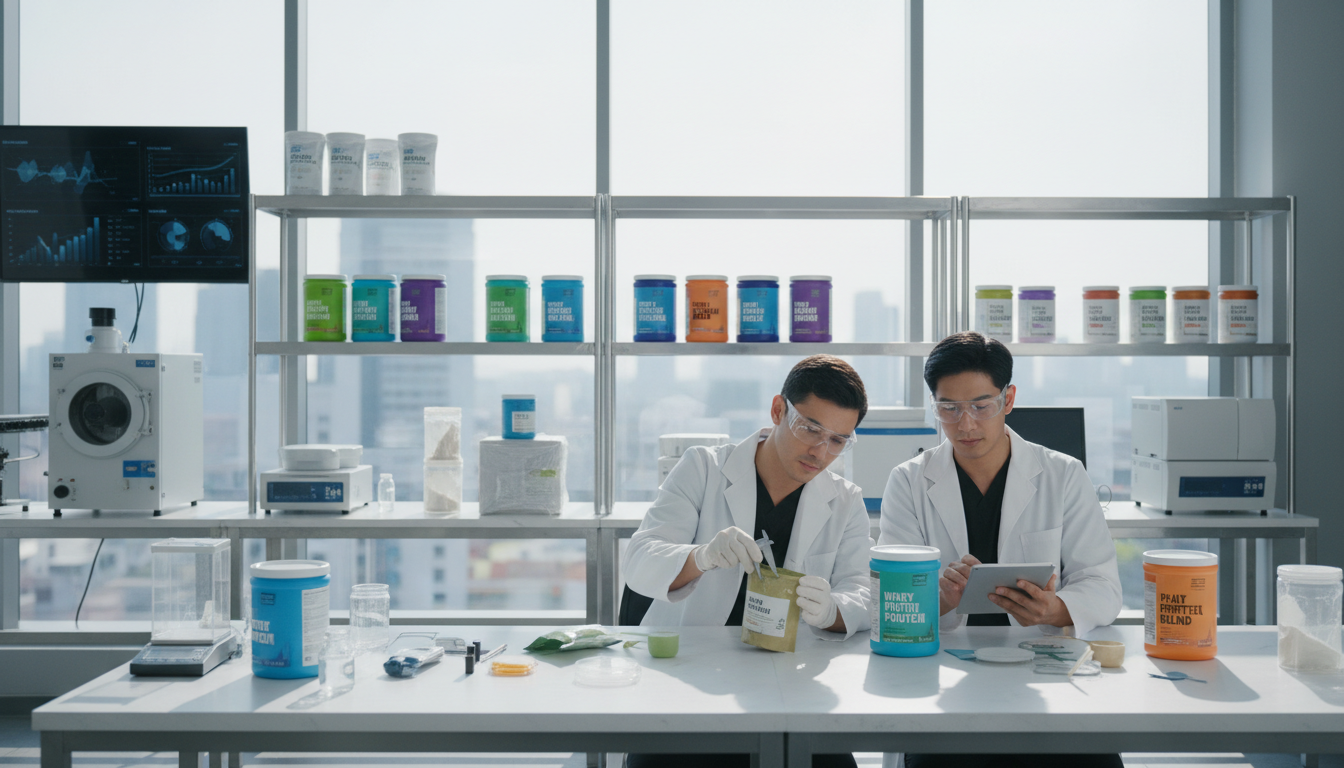
Are you confident that your protein powder packaging truly protects the nutritional integrity of your product? The complex world of Wintech Package protein powder packing demands more than just sealing a container—it requires precision, expertise, and rigorous quality control.
Wintech Package recognizes that protein powder packing is a critical process in the sports nutrition industry. With the US market generating over $5 billion in annual protein powder sales, your packaging strategy can make or break your brand’s reputation.
Quality control in protein powder packing isn’t just a recommendation—it’s a necessity. Custom protein powder packaging must meet stringent FDA regulations, protecting consumers from contamination risks and ensuring product safety throughout the supply chain.
Your protein powder packing protocols directly impact product shelf life, nutritional value, and consumer trust. Understanding these critical control points is essential for any nutrition brand seeking to deliver a premium product.
Key Takeaways
- Protein powder packing requires comprehensive quality control
- FDA regulations govern every aspect of packaging
- Custom protein powder packaging protects product integrity
- Quality control prevents contamination and preserves nutrition
- Packaging is crucial for brand reputation in sports nutrition
Importance of Protein Powder Packing Quality Control
Quality control in protein supplement packaging is a critical factor that can make or break your brand’s success in the sports nutrition market. Your approach to whey protein containers directly impacts consumer trust, product safety, and overall brand reputation.
Understanding the significance of protein powder packing goes beyond simple product containment. It involves a comprehensive strategy that protects your product’s integrity and ensures consumer satisfaction.
Key Significance of Quality Control
- Preserves nutritional value of protein supplements
- Prevents contamination and product degradation
- Ensures accurate product information communication
- Differentiates your brand in competitive markets
Consequences of Poor Quality Packaging
Neglecting protein powder packing quality can lead to severe consequences for your brand. Substandard packaging can result in:
- Product contamination
- Nutritional value degradation
- Potential health risks for consumers
- Significant financial losses from recalls
Regulatory Compliance in Protein Powder Packing
| Regulatory Aspect | Impact on Sports Nutrition Packaging |
|---|---|
| FDA 21 CFR 111 Standards | Ensures manufacturing process quality |
| Third-Party Certification | Validates packaging integrity and safety |
| Weight and Labeling Accuracy | Maintains consumer trust and legal compliance |
Investing in rigorous quality control for your protein powder packing is not just a regulatory requirement—it’s a commitment to your customers’ health and satisfaction. Your packaging is the first point of contact between your product and potential consumers.
Quality control in protein supplement packaging is the foundation of brand trust and consumer loyalty.
Procedures for Ensuring Protein Powder Packing Integrity
When it comes to bulk protein powder packaging, maintaining rigorous quality control is crucial for protecting your product’s safety and reputation. Your protein powder packing process requires comprehensive procedures that guarantee consistent, high-quality results.
Raw Material Inspection Protocol
Your protein powder packing success starts with meticulous raw material evaluation. You must implement a strict inspection process that includes:
- Detailed supplier certificate verification
- On-site testing for potential contaminants
- Comprehensive protein content analysis
- Particle size and moisture content examination
Equipment Calibration Strategies
Precision is key in protein powder packaging solutions. Your equipment requires regular calibration to ensure accurate measurements and consistent product quality. Wintech Package recommends implementing a documented calibration schedule that includes:
- Daily verification of weighing systems
- Precision scale checks
- Filling machine alignment
- Automated calibration tracking
Staff Training Requirements
Your team’s expertise directly impacts protein powder packing integrity. Develop comprehensive training programs that cover:
| Training Area | Key Focus Points |
|---|---|
| Food Safety | cGMP principles, hygiene protocols |
| Equipment Operation | Machinery handling, maintenance procedures |
| Quality Control | Contamination prevention, inspection techniques |
By implementing these rigorous procedures, you’ll ensure your bulk protein powder packaging maintains the highest standards of quality and safety.
Common Challenges in Protein Powder Packing
Navigating the complexities of protein powder packing requires strategic planning and proactive problem-solving. Your protein powder packaging process faces multiple challenges that demand careful attention and innovative solutions.
Contamination Risks in Protein Supplement Containers
Contamination poses a significant threat to your protein powder packing operations. You must implement rigorous protocols to prevent cross-contamination and ensure product safety. Key strategies include:
- Establishing dedicated production zones for different product types
- Implementing strict cleaning validation protocols
- Conducting regular environmental monitoring
- Enforcing stringent personnel hygiene standards
Packaging Material Selection Challenges
Selecting the right protein powder packaging materials is crucial for maintaining product quality and consumer satisfaction. Your choices impact product preservation, shipping costs, and brand perception.
| Packaging Type | Advantages | Limitations |
|---|---|---|
| Rigid Containers | Superior moisture protection | Higher production costs |
| Flexible Pouches | Lower shipping weight | Potential perceived lower quality |
Environmental Factors Impacting Protein Powder Packing
Environmental conditions can significantly affect your protein powder packaging integrity. Critical factors include temperature, humidity, and light exposure. Your packaging must protect against:
- Moisture intrusion
- Temperature fluctuations
- Oxygen degradation
- Light-induced nutrient breakdown
Nitrogen flushing represents an advanced technique to extend shelf life and protect your protein supplement containers from oxidation.
Future Trends in Protein Powder Packing
The protein powder packaging landscape is rapidly evolving with cutting-edge technologies and innovative approaches. Your strategies for custom protein powder packaging will need to adapt to emerging trends that prioritize efficiency, sustainability, and consumer experience. Advanced technologies are transforming how manufacturers approach protein powder packaging solutions.
Smart packaging technologies are revolutionizing the industry. You’ll see bio-based films and nano-coatings enhancing barrier properties while reducing environmental impact. Innovative features like freshness indicators and QR codes are becoming standard in protein powder packing, providing consumers with unprecedented transparency and product information.
Innovations in Materials
Sustainable materials are taking center stage in protein powder packaging. Your future packaging will likely incorporate renewable resources, with mono-material structures that simplify recycling processes. Companies like Wintech Package are developing advanced protein powder packaging solutions that balance performance, consumer convenience, and environmental responsibility.
Automation and Efficiency
Artificial intelligence and machine learning are transforming protein powder packing operations. You can expect vision systems that inspect every package, collaborative robots handling repetitive tasks, and predictive maintenance systems that minimize equipment downtime. These technological advances will help you achieve higher throughput, reduce errors, and improve overall operational efficiency.
Sustainability Practices
Your protein powder packing strategy must now consider comprehensive environmental impact. Lightweighting initiatives, refillable container systems, and extended producer responsibility are becoming critical considerations. The future of custom protein powder packaging demands a holistic approach that meets both regulatory requirements and consumer expectations for sustainable solutions.